Abdel-Fattah El-Sisi, President

Abdel-Fattah El-Sisi, President
New President of Egypt, 8 June 2014

watching a bad era end

watching a bad era end
nighmare 2012-2013

23 Dec. 2011

23 Dec. 2011
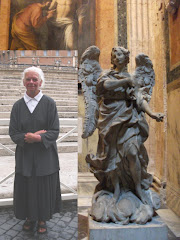
My beloved beautiful Mama, I miss you.

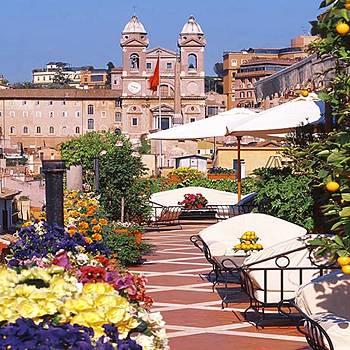
The Vatican

The Vatican
my photography - July 2011

Mama and I

Mama and I

Life of Flowers

2009

2009
The year before at TGFriday, for Mom's bday


Cairo


JULY-AUGUST 2011 EVENTS

JULY-AUGUST 2011 EVENTS

Barcelona, Spain

Barcelona, Spain
22 - 26 July 2011


Rome, Italy

Rome, Italy
26 - 29 July 2011


JULY-AUGUST BIRTHDAYS!

JULY-AUGUST BIRTHDAYS!

Farida, Farah, Nariman 23 Sep. 2010

Farida, Farah, Nariman 23 Sep. 2010
Nariman's 5 on 31 July, twins 7 on 23 Sep. 2011

Eid El-Adha

Eid El-Adha

SEPTEMBER-OCTOBER BIRTHDAYS!

SEPTEMBER-OCTOBER BIRTHDAYS!

Yasmine on 2nd Sep., I on 20 Oct.

Yasmine on 2nd Sep., I on 20 Oct.
Yasmine and I in Spain - and then Italy! July 2011


Funny Animation

READ ALL ABOUT IT!

READ ALL ABOUT IT!

Prayers

Athan (azan)

LOOK!

LOOK!
Look down on your left, at the huge directory!

Useful Telephone & Address Directory

Useful Telephone & Address Directory
Look far down, on your left....

Tourism, Travel

Tourism, Travel

Interviews

Interviews
dancers, choreographers, editors, inventors,

Anger Management

Stress Management

What's Up, Doc?!

What's Up, Doc?!
Read all about REAL medical problems - and solutions!

Good Relationships

Good Relationships
Rapport & Pacing

Getting Closer to Your Kids...

Domestic Violence

Domestic Violence
All Children Deserve to be Happy & Safe

Health & Nutrition

Health & Nutrition

Consume Good Food, Not Medicine!

Hot Stuff For Adults!

Hot Stuff For Adults!

'Hallal' Relationships

Business Know-How

Business Know-How
Corporate & Business Tips soon follows!


Time Management

Time Management

How To's...

How To's...
...handle paperwork, e-mails, etc.!

Sports

Sports
Walk, sprint, jog or run, for good health!


Dance & Ballet

Dance & Ballet


The 7 Wonders of the World

The 7 Wonders of the World

Political Opinions

Political Opinions
Foreign Politics

Filing Systems

Filing Systems
How to..Make an Office or Company Filing System

Coming Soon....

Coming Soon....
Read All About It!

DON'T MISS THIS!

DON'T MISS THIS!

Beauty Tips

Beauty Tips

Escavations, Egyptology

Escavations, Egyptology
Primitive Discoveries

Road Maps

Road Maps

Industrial Safety Tips

Industrial Safety Tips
Read also safety against terrorism in "How Safe is Your Hotel?"

Entertainment!

Entertainment!

Hits Counter

Evolution of Dance

Elvis Presley - Suspicious Mind (1970)

Elvis - Suspicious Minds


ta-da!

ta-da!
Start reading from HERE, or choose from the Index!
Showing posts with label Places. Show all posts

12 December 2008

Some Malls and Shopping Centers


Some Shopping Malls and Centers

Akkad Mall
Nasr Road, Nasr City Tel: 2419-4247 Open: 11am-midnight. A spacious mall with two floors packed full with shops, a bowling centre, a video games arcade, two restaurants and a parking facility.

Arkadia Mall
Corniche El Nil, Downtown Tel: 2579-2082 Open: 11am-midnight. One of Cairo's well known malls. Across five floors there're shops, an amusement arcade for children (Fun Planet) and a food court with some ten restaurants. Famous brands like Adidas, Timberland are open as well as lesser known local ones. Parking available.

Bandar Mall
9 Palestine Rd, Maadi Tel: 2519-0455 Open: 11 am - midnightMore of an entertainment complex than a shopping one with three cinemas, a large bowling centre, a billiards place and several local and international food chains.

City Centre
Makram Ebeid St., Nasr City Tel: 2273-8855 Open: 10am-12:30pmA medium sized mall with five shopping levels, four cinemas and a few cafes / restaurants! Nice and elegant. shopping levels, four cinemas and a few cafes / restaurants! Nice and elegant.

City Centre (Carrefour)
Ring Road Maadi, Maadi Tel: 2520-4300/200 / Call centre: 16061 Open: 10 am-midnight / Fridays: 2pm-midnight Built outside the city periphery and famous for its hypermarket
Carrefour, this mall has a large number of boutiques and stores, and Magic Planet - an amusement arcade for children. It also holds a food court with six outlets and parking for 1,200 cars.

City Stars
2 Riyad At Hashed St.. Nasr City Tel: 2480-0500/ 55 open: 11am - 1pmAlready well known through out the country for boasting some of the top-notch international brands like Women's Secret, Morgan, Kookai, Red Earth, Mango and others; this mall with its brilliant shopping experience. Accessories and designer clothes on the first two floors, a Khan Al Khalili walk-through area, a Spinneys hypermarket, an international exhibition area, Magic Galaxy Park for kids, 16 wide screen cinemas, a wide range of coffee shops such as Cilantro, Cinnabon and Costa cafe. Not to mention a large food court which includes the usual suspects like Pizza Hut, McDonald's and Gellataria Roma as well as Chinese and Italian eateries.

Dandy Mall
Km 28, Cairo-Alex Desert Rd. Tel: 2539-2606 Call centre: 16061 Open: 0:30 am - 1 amThis shopping mall is set to become one of the city's largest. It features a 12-screen cinema complex, food court, department stores and shops, a gaming arcade and the largest branch of the Carrefour hypermarket in Egypt. There's also a petrol station for those driving onto Alexandria and the usually fast-food stops like KFC and McDonalds.

Degla Arcade
11 Hassan Sabri St., Zamalek Open: 10:30am-9pmThough small in size this shopping centre boasts some delightfully small but absolutelythe best boutiques in town for lingerie, jewelry, antiques, furniture and home accessories. There's also a hairdresser tucked into the building if you care for a touch-up.

El Horreya Mall
Al-Ahram St., Heliopolis Tel: 2452-1698 Open 10am-11:30pmA small mall boasting five levels of a variety of shops, two cinemas and two restaurants.First Mall35 Giza St., Giza Tel: 3571-7803 16 Open: 9am-midnight & 11am-11pm (winter) One of the classiest malls in Cairo. Three floors of the finest shops and international brands, including Bulgari, Villar, Damas, Polo, Carlo Jewelry. On the ground floor, 'La Gourmandise' offers the finest French pastries and Mediterranean cuisine where they also occasionally host fashion shows and events.

First Mall Shopping Mall
Florida MallSheikh AH Gad El Haq St., Masaken Sheraton, Heliopolis Tel: 268-4295 15005 Open: noon-midnightA small shopping mall with a few facilities. Five levels of shopping, two cinemas, a foodcourt with six restaurants and four cafes. Harris and Lipstick cafes are on the ground floor.

Galleria
Grand Hyatt Cairo, Corniche El Nil, Garden City Tel: 365-1234 Open: 10am-10pmThe Galleria offers the ultimate shopping and entertainment experience together with a stunning view of the Nile. Featuring 7 floors of retail outlets and entertainment facilities including cinemas, a multipurpose auditorium, boutiques and a food court. Some of the famous brands for your shopping pleasure are Mont Blanc, Chopard, Palait de Parfume, Baraka Optics, Felopateer, Mobaco and Concrete.

Genena Mall
Batarawi St., off Abbas El Akkad St., Nasr City Tel: 404-6261/3 14 Open: noon-midnight. One of the largest malls in Cairo, consisting of five floors of shopping boutiques for clothing, furniture, upholstery, shoes and perfumeries as well as several cinemas on the first and third floors. There is also a skating arena.

Maadi Grand Mall (MGM)
Road 250, Maadi Tel: 519-5380 Open: 11am-11pm (Thursday till midnight)Five floors of shopping, a large hall for billiards and video games, MGM cinema complex, and four restaurants.

Nile Hilton Annex
Corniche El Nil, Downtown Tel: 578-0444 Open: 9am-9pmA two-leveled mall with a wide variety of shops, a cafe, two restaurants, a billiard room, and an internet cafe. Parking available.

Ramses Hilton Annex
Corniche El Nil, Downtown Tel: 575-2025 Open: 10am-10pmA seven-floor mall with shops for clothes, jewelry, makeup, upholstery, shoes and music, three cinemas on the top floor, three restaurants, two billiard and snooker halls offering alcoholic beverages while you play, and a McDonald's. Can get pretty crowded during the summer. Parking available and is redeemable if you attend a movie.

Serag Mall
Atteya El-Sawalhy St., Nasr City Tel: 406-0555 Open: 11am-2amSpread across four floors of three different buildings, with a total of 400 shops. There are also five cinemas, 13 restaurants in addition to six chain restaurants outside the mall.

Tiba Mall
El Nasr Road, Nasr City Tel: 402-9072 / 6 Open: 7am-midnight. A small mall with two floors of shopping facilities, bowling and billiard halls, three restaurants, two cinemas, and parking.

Wonderland
Abbas El Akkad St., Nasr City Tel: 401-8834 Open: 11am-11pm. A relatively small shopping mall, but the cinemas and amusement arcade are quite favourable. Three floors of shopping, two cafes, a fast food outlet, bowling and billiard halls, and a Shoprite supermarket.

World Trade Centre (WTC)
191 Corniche El Nil, Downtown Tel: 580-4000 Open: l0 am-I0pmA food court and a bowling alley. (The cinema operates seasonally and severalshops have closed down - call before heading there.)

Yamama Centre
3 Taha Hussein St., Zamalek Tel: 736-1583/ 00/400 Open: 9am-11pmOne of the oldest shopping malls in Cairo with eight levels of shopping, a cafe, a pastry shop and a hair dresser. One of the city's best gyms, FDA, is also based inside the mall.

h.n.

19 June 2008

Alexandria


Building Alexandria


By Hoda Nassef


The second largest city in Egypt, Alexandria, known as "The Pearl of the Mediterranean", has an atmosphere that is more Mediterranean than Middle Eastern; its ambience and cultural heritage distance it from the rest of the country although it is actually only 225 km. from Cairo.

Founded by Alexander the Great in 331 BC, Alexandria became the capital of Greco-Roman Egypt, its status as a beacon of culture symbolized by Pharaohs, the legendary lighthouse that was one of the Seven Wonders of the World. The setting for the stormy relationship between Cleopatra and Mark Antony, Alexandria was also the centre of learning in the ancient world. But ancient Alexandria declined, and when Napoleon landed, he found a sparsely populated fishing village.

From the 19th century Alexandria took a new role, as a focus for Egypt's commercial and maritime expansion. This Alexandria has been immortalized by writers such as E. M. Forster and Kefafy. Generations of immigrants from Greece, Italy and the Levant settled here and made the city synonymous with commerce, cosmopolitanism and bohemian culture.
Alexandria is a city to explore at random. It's as important to enjoy the atmosphere as it is to see the sights.

Old Alexandria

Dino-crates built the Hepatisation, the causeway between Pharos and the mainland. This divided the harbours into the Western and Eastern. The Eastern harbour was really where the old harbour from the Middle Ages was located.

Of modern Alexandria, the oldest section is along the causeway which links what was once Pharos island with the mainland and includes the districts of Gumrok (‘customs’; the oldest dating to about the 16th century and known as the customs district) Anfushi, and Ras-el-Tin The latter two districts date to about the period of Mohammed Ali (1805-49). Collectively, these districts are known to westerners as the Turkish Quarter. They have had a number of ups and downs over the years, particularly due to the plague during the 17th century. The area forms somewhat of a T-shape, dividing the Eastern Harbour from the Western Harbour.

This section of Alexandria is known to us more from books then what we may actually see in the area. Where the Pharos Lighthouse once stood, is now occupied by the Fort of Quit Bay, out on the area that circles up around the top of Eastern Harbour forming the eastern section of the top of the T. Heading south from the Fort of Quit Bay, we come to the stunning Abu El-Abbas Mosque. West of this is the Anfushi Tombs, some of the oldest in Alexandria and well worth a visit.

Central Alexandria

The Underwater Discoveries

Relatively new discoveries in the Eastern Harbour involve two different sites. Around Fort Quit Bay the site has unearthed hundreds of objects, including what experts believe are the remains of the Pharos Lighthouse, one of the ancient wonders of the world.

In the southeast part of the harbour archaeologists have apparently found the Royal Quarters, including granite columns and fabulous statues, including one of Isis and a sphinx with a head thought to be that of Cleopatra's father. There may vary well be an underwater exhibit in the future!
Heading towards the mainland past the Abu El-Abbes Mosque and connecting with Sharia Faransa Street leads to the Suq district. Just before entering the district one finds the interesting little Tirana Mosque In the Suq district, one finds Alexandria's only surviving ‘wakalas’, which is a part of the El-Chorbagui Mosque complex founded in 1757. This was also the area where Alexandria's Jewish community lived, but most have now migrated to Israel. Different areas have specialized in different goods and one may find all manner of products from jewellery to Medicinal plants (Suq El-Magharba) to Bedouin clothing (Suq El-Libya).

Continuing down Faransa one passes Midan Tahrir and the street turns into Salah Salem, and finally connects with Al-Horreya. However, Midan Tahrir, popularly called Manshiya, has considerable history. The areas were once home to Diplomats and known as Place Des Consuls, but after the statue of Mohammed Ali was placed here in 1873 the name was changed to Midan Mohammed Ali. In 1882, it was bombarded by the British and all but destroyed. The Alexandria Stock Exchange was once located here, and it was from the midan (square) that Nasser announced the nationalization of the Suez Canal.

The street named Al-Horreya ('tariq' - route - Abdel-Nasser) which transverses the area from east to west was in ancient times the Canopic Way with the Gate of the Sun at the eastern end and the Gate of the Moon at the western end. At that time, there were probably columns lining the road. The main north to South Street, now Sharia (street) El-Nebi (prophet) Daniel, ran from the East Harbour all the way to Lake Harbour on Lake Mariott.

Just south of the intersection of Al-Horreya and el-Nebi Daniel was the site traditionally thought to be the burial place of Alexander the Great, but that has not been located, and may in fact be beneath the Mosque of Nebi Daniel, or in a nearby Greek Necropolis. The famous Alexandria Library was probably nearby. However, the only real antiquities site that can be viewed in the area is Kom el-Dikka; a small Roman theatre that has been excavated. Nearby is also a bath house of the era. To the east is the Antiques District where dealers sell antiquities, books, old weapons and furniture. Here is also the Attarine Mosque, which was once a church dedicated to Euthanasia.

Further south along the tramway is Pompey's pillar and nearby the Catacombs of Kom ash-Shuqqafa.

Wandering along el-Nebo Daniel are several other attractions, including the French Cultural Centre, and nearby the Eliahud Hanabi Synagague, which is the only active synagogue in Alexandria and houses the combined treasures of the seven former Alexandrian synagogues.
Back to the north on el-Nebi Daniel, next to the harbour where Ramla station is now located at Midan Saad Zaghloul was the location of the Cesareum. This was a magnificent temple begun by Cleopatra for her lover Antony and subsequently completed by their enemy Octavian, though none of this remains in situ. Nearby is the well known Cecil Hotel, built in 1930, Sommerset Maugham stayed here, as did Winston Churchill, and the British Secret Service one maintained a suite for their operations.

Midan Saad Zaghloul is the entertainment heart and nerve centre of Alexandria. Here, as terminals and train stations provide a backdrop for cinemas, restaurants and night spots. It was the setting of Lawrence Darrell’s Alexandria Quartet and the famous Alexandria coffee houses. The square is dominated by an impressive monument dedicated to Saad Zaghloul, a former national leader.

The Greek Quarter and Rosetta District

Back on Al-Horreya heading east, as we pass the Greco-Roman Museum (a notable museum well worth a visit) we move into the Greek Quarter of Alexandria, one of the most beautiful residential districts. The wonderful old villas include the massive Miclavez building, which is opposite the Town Hall and nearby the Adda Complex built in 1929. This is where the wealthy Greeks lived at the turn of the century, and the streets are still named after the Ptolemaic, Pharaonic, Abbasid and Fatimid rulers. Further east is the Greek Orthodox patriarchate and the Church of St. Saba.

Further east, Al-Horreya opens into a beautiful green area known as the Shallalat (waterfalls) Gardens, which was once the fortification of Bab Rosetta. But in 1905, Alexandria created a garden area here with waterfalls and the only Alexandria cistern which can be viewed. This cistern is an example of those which once dotted Alexandria providing fresh water to her inhabitants.

The Corniche

The Corniche is doted with Casinos built on stilts and rows of beach huts. The avenue here did not always exist, for until the 20th century, the areas remained fortified by a five mile long wall with towers which had protected the city since the 13th Century. In the early 1900s, a strip of land with a width of about 100 years was reclaimed from the sea, and the area became popular with beach goers. That is no longer the case, but it remains a lively area of Alexandria.

On the western end of the Corniche near Silsila (Chain) where the New Alexandria Library is being constructed is the Shatby Tombs which are said to be the oldest in Alexandria. Nearer the San Stefano area across the tram tracks is also the Royal Jewellery Museum.

El-Mahmoudia Canal

A walk along the Mahmudiya Canal brings one face to face with the working class and industrial districts of Alexandria, and is pleasant along the old paved road bordered by the canal and sycamore trees. South of the Greek district along the canal is the Antoniadis Gardens, which seep with history. Here, the poet Callimatius lived and taught, and in 640 AD, Pompilius prevented the King of Syria from capturing Alexandria. But less then a year later, Amr Ibn el-Aas camped here, before taking the city. The well known Water Traffic Circle is also in the area.
Here one finds the Zoological Gardens, the small Museum of Natural History and the Fine Arts Museum in the Moharrem Bey area, and a Rose Garden. The beautiful public gardens extend into the surrounding area where the Antoniadis Palace is located, and there is even a nearby Roman tomb.

El-Montazah & Montazah Gardens

This area along the coast about 15 miles east of Alexandria's old district along the Corniche is where many of the modern Alexandrian hotels are located, as well as one of the elegant heritage hotels. Khedive Abbas II built the Salamlik as a residence. Here also is the magnificent Montazah Palace.

NOSTALGIE DU PASSE
Nostalgia of the Past

Il y avait une fois un pays bien-aimé,
There was once a city well-loved;
Au ciel bleu d’azur et au sable doré.
With an azure bleu sky and golden sand.
Nous marchions les pieds nus tout le long du rivage,
We walked bare-footed throughout the long beach,
Le soleil sur la peau et le vent au visage.
The sun on our skins and the wind on our faces.
Nous plongions notre corps dans la mer cristalline,
We plunged our bodies into the crystalline sea,
Et le soir nous dansions au son des mandolines...
And at night we danced at the sound of mandolins…
Ce fut un temps jadis, quand nous avions vingt ans,
It was a jaded time, when we were twenty,
Nous étions jeunes et beaux comme un jour de printemps...
We were young and beautiful like a spring day…
Terre de notre enfance, terre où nous sommes nés,
Soil of our childhood, soil of our birth,
D’où un cruel destin nous a déracinés,
From where we were snatched by a cruel destiny,
Nous étions tous unis, on nous a divisés,
Where once we were united, they have separated us,
Et par le monde entier nous sommes parsemés.
And throughout the whole world we were dispersed.
Les jours se sont enfuis et nous cherchons en vain
The days are far apart and we search in vain
Ces moments si précieux d’un passé si lointain...
For those precious moments of a past so far away…
Malgré l’envol du temps et les ans écoulés
Despite the flying of time and trickling away of years
Alexandrie toujours, sera dans nos pensées!
Alexandria will be forever in our thoughts!

Poème: Viviane Borg-Fleri
Poem by Viviane Borg-Fleri

Translation by Hoda Nassef


SOME LISTINGS:-

Cinemas

*Amir Fouad St, Mihatit Al-Raml, Tel (03) 391 7972; 392 7693
*Cairo Seas Tel (03) 543 3350
*Carrefour Beginning of Alexandria-Cairo Desert Road, Tel (03) 397 01565
*Cineplex Green Plaza, Smouha, Tel (03) 532 5745/6
*Al-Deeb Mall Horriya Road, Rushdi, Tel (03) 541 1597/8
*Family San Stefano Opposite Gianaclis tram station, Tel (03) 585 5088
*Ferial Saad Zagloul St, Mihatit Al-Raml, Tel (03) 486 9364
*Metro Safiya Zaghlul St, Mihatit Al-Raml, (03) 487 0432
*Rio 37 Horriya Road, Mihatit Al-Raml, Tel (03) 392 9036
*Royal Next to Sayed Darwish Theatre, Fouad St, Tel (03) 485 5725/7
*San Stefano Tel (03) 469 0056
*Smouha Off Dawaran Zahran, Smouha, Tel (03) 424 5898/9
*Zahran Zahran Mall, Off Dawaran Zahran, Smouha, Tel (03) 424 0844/66

Clubs in Alexandria

* Alexandria British Community Group (ABCG)
• American Women of Alexandria
• Archaeological Society of Alexandria
• Centro de Portugal
• Delta Hash House Harriers
• Friends of the Environment
• German Women of Alexandria
• International Ladies' Club of Alexandria (ILCA)
• Les Amis de la Musique et des Arts
• Old Victorians
• Rotary Club
• Tourist Friends Association
• Women's International Arts and Craft Group of Alexandria

The Alexandria Sporting Club

Built in 1898 and used during the British occupation, the Alexandria Sporting Club is one of the oldest sporting clubs in Egypt. In 1952, it was taken over by the state, converted into a national club (like the El-Gezira Club in Zamalek) and was managed by the Chairman of the Club, Mahmoud Hamdy. Today, the golf course stands on 97 feddans, 97 percent of which constitutes the total club area. It is a flat course with tricky bunkers and can be played by beginners as well as experts. The club also features four restaurants, the Club House Restaurant being the most luxurious, and the Happy Land restaurant serving the children's playground. It also offers party catering.

Members pay 5 LE for 18 holes, while temporary members pay 10 LE to play. Visitors must be accompanied by a member and pay 50 LE.

About the course: 18 holes, Par 70, 5,960 yards, rating 69, two tees

Who Can Play: Annual memberships, daily golf, tourist groups welcome
Golf Services: Pro Shop, caddies, trolleys, club rental
Learning to Play: Golf pro, lessons
About the Clubhouse: Restaurant
Other Facilities: The course is part of the Alexandria Sporting Club, which has two swimming pools, horseracing, croquet, tennis, squash, basketball, football, board games, and many other facilities.

The Alexandria Sporting Club - Telephone +203 543-3627/8/9
Exhibitions & Other Venues:

ALEXANDRIA EXHIBITIONS, PERFORMING VENUES & BIBLIOTHECA:

*Alexandria Creativity Centre 1 Al-Horriya St, Tel (03) 495 6633/9155
*Alexandria Fine Arts Museum 1 Menacha St, Moharam Bey, Tel (03) 393 6616
*Alexandria Atelier 6 Victor Basil St, Azarita, Tel (03)486 0526
*Bibliotheca Alexandrina Galleries Al-Corniche and Port-Said St, Al-Shatbi, Tel (03) 483 999. Daily 11am-9pm. For information visit
*Mahmoud Said Museum 6 Mohamed Pasha Said, Gianaklese, Tel (03) 582 1688. Daily 10am-6pm, closed Mondays
*Smouha Club Somouha, opposite Green Plaza, beginning of Agricultural Road to Cairo, Tel (02) 303 3535, 010 664 0632

Listing for some 4 & 5-Star Hotels, Alexandria:

• Agami Palace Hotel
• Aida Beach Hotel
• Ailema Hotel
• Alexandria Hotel
• Crillon Hotel
• Delta Hotel
• El-Salamlek Palace Hotel
• Helnan Palestine Hotel
• Hilton Borg El-Arab Resort
• Mercure Alexandria Romance
• Paradise Inn Beach Resort
• Paradise Inn Metropole Hotel
• Paradise Inn Windsor Palace Hotel
• Plaza Hotel
• Renaissance Alexandria
• San Giovanni Hotel
• (*) San Stefano Plaza
• Sheraton Montazah Hotel
• Sofitel Cecil Alexandria
• Union Hotel

Listing for some 3-Star Hotels, Alexandria:

• Amoun Hotel
• Beauville Hotel
• Cleapatra Hotel
• Corail Hotel
• Costa Bianca Hotel
• Darwish Hotel
• El Haram Hotel
• El Madina El Monawara Hotel
• Holiday Hotel
• Hyde Park House
• Jeddah Hotel
• Kaoud Sporting Hotel
• King Mariout Motel
• Landmark Hotel
• Le Roy Hotel
• Lolowa Hotel
• Marhaba Hotel
• Mecca Hotel
• Misr Hotel
• Nobel Hotel
• Petit Coin Hotel
• Piccadilly Hotel
• Ramsis Hotel
• Regency Hotel
• Sea Star Hotel
• Semiramis Hotel
• Summer Moon Hotel
• (*) San Stefano Plaza
• Sheraton Montazah Hotel

(*) San Stefano Plaza “Jotun Egypt has secured the third "Four Season Hotel" – San Stefano in Alexandria”…

Jotun has already painted Four season Hotel in Sharm El Sheikh & Four Season Hotel – Nile Plaza. “San Stefano.” Grand Plaza This awe-inspiring project includes every conceivable modern privilege: from a five star Four Seasons Hotel and shopping mall, luxury residential units and commercial facilities. San Stefano set on 31000 sq. meters of prime real estate land and overlooking the Mediterranean Sea with a 170-meter frontage alongside the beach.

On 15 Jan 2004, Jotun Egypt signed the contract of San Stefano Four Season Hotel. Depa Egypt branch of Depa Holding Co. won the Four Season contract and Jotun paints was the partner in this prestigious project, based on the pervious successful projects (Sheraton Montazah, Hilton Luxor, Holiday Inn at Sharm El-Sheikh, JW Marriott mirage city Cairo Golden Pyramids Entertainment City in Cairo).

“Our business philosophy is based on providing our clients with the highest standards of workmanship, using quality materials, with tight schedules and targeted budget management” Says the GM of Depa Egypt. Three decades of prestigious hotel interior contracts for renowned hotel groups worldwide has made DEPA a leading international company.

Jotun has already painted Four season Hotel in Sharm El Sheikh & Four Season Hotel – Nile Plaza. “San Stefano.” Grand Plaza This awe-inspiring project includes every conceivable modern privilege: from a five star Four Seasons Hotel and shopping mall, luxury residential units and commercial facilities. San Stefano set on 31000 sq. meters of prime real estate land and overlooking the Mediterranean Sea with a 170-meter frontage alongside the beach. The residential part consists of 900 apartments varying in design and size. The residences range from 131 m2 to 1271 m2.

As for the shopping mall – it consists of four-levels, which occupy the basement upper story and the first three floors of the tower. Stores display a selection of the finest brand names in the world. There are ten different movie theatres.

The hotel consists of 127 rooms and suites overlooking the Mediterranean and 120 residential suites. The hotel guests are welcome to enjoy a private beach, cabins there and the yacht marina and beach restaurant.

Jotun Egypt is looking forward to accomplish this splendid achievement, wining the supply contract for the residential & the shopping mall. Securing prestigious project such as San Stefano Grand Plaza which will exceed by all means our customer satisfaction …. The ultimate goal of Jotun Egypt

The owner: San Stefano Grand Plaza
The construction manager: Laing Int.
The engineer representative: Dar el-Handasah

Listing for Alexandria Cultural Centres:

• American Cultural Center (Amideast)
• British Council: 11 Mahmoud Abul-Ela St, Kafr Abdou, Roushdi, Tel (03) 545 6512
• Conservatoire de Musique d'Alexandrie
• Egyptian Cultural Centers Anfoushi Cultural Center
• French Cultural Center: 30 Nabi Daniel St, Tel (03) 391 8952/392 0804. Closed Friday and Saturday
• Goethe Institute: 10 Batalsa St, Azarita, Tel (03) 487 9870/484 1037
• Horreya Cultural Palace
• Italian Cultural Institute: Italian Consulate, Saad Zaghloul Square, Tel (03) 487 4924
• L'Atelier
• Museum of Fine Arts
• Pharoah's Hall
• Russian Cultural Center
• Sayed Darwish Theater
• Shatby Cultural Center for Artistic and Literary Appreciation
• Spanish Cultural Center (Cervantes Institute): 101 Horreya St, Tel (03) 392 0214/495 2094, open 5-8pm
• The Foundation of Hellenic Culture (Greek)

Listing for some Restaurants, Alexandria:

• Al-Farida Restaurant (Italian and International)
• Al-Farouk Restaurant (French)
• Dynasty Restaurant (Chinese) (at the Renaissance Hotel)
• Price Cafe (snacks and deserts)
• San Giovanni Coffee Shop (La Sirene) Eastern and Western
• San Giovanni Restaurant (Eastern and Western )
• Shells Restaurant (Seafood & Italian)at the Hilton Borg El Arab Resort

Tourism Offices in Alex., Egypt:
Ramleh Station; Saad Zaghloul St. 03 807985
Nozha; Nozha Airport 03 4202021
Marine Passenger; Station Alex. Port 03 803494
Misr Station - - - 03 4925985

H.N.

06 May 2008

Sednaoui


SEDNAOUI


by Samir Raafat


The odd man out among Cairo's department stores was Sednaoui. While all the others belonged to Jews, the owners of Sednaoui were Nazarenes from the Syrian villages of Sednaya and Maaloula where Aramaic was spoken until very recently. Newly arrived in Egypt by way of Damascus, the Sednaoui brothers, Samaan and Selim, opened their first haberdashery late last century in the district of Hamzaoui before moving to Egypt’s Mousky Street in al-Azhar.


The brothers' fortune took a turn for the better when employees of the Khedivial harem had either overpaid or forgotten to take back the correct change. When ‘khawaga’ Samaan ran after them pointing out what happened, the much obliged shoppers returned to the palace and related their exceptional encounter with an honest Shami (Syrian). From that day onwards, Sednaoui was a favourite amongst the court ladies.


As Cairo expanded into the new European quarter of Ismailia, so did the city's great retailing names: Chemla, Cicurel and Ades were clustered on or near Avenue Fouad (now named 26th of July Street), considered by many as Cairo's Oxford Street. Orosdi-Beq (Omar Effendi) was within walking distance on Sharia (street) AbdelAziz. Tiring, Stein and Morums had already opened on Attaba Square, the core of Cairo's commercial hub.


The Sednaoui brothers kept their distance from the rest of the department stores setting up shop in the more confined Place Khazindar. On November 1, 1913 they inaugurated their grand three-story emporium near al-Bawaki, opposite the Services Club. In no time Sednaoui at Khazindar became the flagship of their retail chain, with branches in Alexandria, Port Said, Tanta, Mansourah, Fayoum and Assiout.


In view of its classical fin de siècle architecture, Sednaoui could have been transplanted from any one of the great European capitals. In his quest to emulate Galleries Lafayette on Boulevard Hausmann in Paris, architect George Parcque spared nothing in terms of layout, metalwork, and general amenities. Even the flag flying cupolas were there. Yet it was no secret that Sednaoui played second fiddle to the classier Cicurel.


While Cicurel set the trends of consumer culture in Cairo, Sednaoui was not too far behind. And if the handsome and formidably attired Tcherkess guards flanked Cicurel's grand entrance on Avenue Fouad (6th of July Street), the Cairo ladies were extremely flattered whenever Monsieur Sednaoui greeted them personally as they marched through the portals of his emporium; something which he did fairly regularly. The clever merchant-turned-Beq and Papal Count in view of his extensive charities, promoted the idea that any "Sitt" (woman) who bought from Sednaoui was a "Hanem" (lady). Sednaoui recalled only too well how the enunciations of a woman could influence shopping habits citywide.


Samaan Sednaoui or one of his heirs were always there before the store opened to the public, scanning the arrival of their well-mannered dandified male and female employees, inspecting them as they drifted to their stations. Once all was in shipshape, the store opened for business. As they entered Sednaoui, shoppers were immediately taken in by the grandiose atrium. Once inside, they would gape at the jewellery and cosmetic counters while the more courageous would try out the latest Parisian hats and accessories. Men, too, stopped at Sednaoui's for purchasing rolls of imported English cloth or Far Eastern fabrics for their wives or sweethearts. Sednaoui's was also the preferred lieu for a fleeting flirt because of its multiple entrances which formed perfect getaways. And there was also the toy department where the wide-eyed kiddies thought they had discovered heaven.


Masters of the retail universe, the Sednaoui’s made it seem like there was a special event each day of the year. Everything could be bought on account.


Through their extensive purchasing agents in Paris, London and New York and with the assistance of Sednaoui Shipping Co. Ltd. of Princess Street, Manchester (later, Selfridges, London), nothing was beyond Sednaoui's reach. Catalogues burst with seasonal buys, whether for Xmas, Easter, Bairam or Back-to-school.


There were also those popular annual low-end sales! These were anticipated by the modest and lower middle income shoppers who, intimidated by Cicurel's sophistication, showed up boldly at Place Khazindar armed with the one-page newspaper ad listing the various Sednaoui discounts.

For some it would be their only exposure ever to an in-store fashion show, an auction, Santa Claus or Xmas' in July!


For the big spenders, shopping at Sednaoui was more for pleasure than satisfying their basic needs. On certain Sundays in the late '50s, when the rest of commercial Cairo was shut down, Sednaoui opened by special arrangement to accommodate wealthy shop-till-you-drop clients from the Gulf. These arrived by the planeload with an extra one in reserve for the fully laden return trip.In July 1961, Egypt's major department stores were nationalized wholesale. Mr. Elie Sednaoui, the then-director of S&S Sednaoui et Fils, was given an indefinite leave of absence. An army officer had come to replace him!The age of drab counters and khaki collared cooperatives was about to begin.


(Samir Raafat is a professional historian and writer.)

Edited by Hoda Nassef

26 October 2007

Fabulous Fayoum!

Fabulous Fayoum

By Hoda Nassef


The Egyptian Fayoum oasis is famed for its all-year round pleasant climate and spectacular scenery. It’s a combination of rural, coastal and urban natural environment, and is also a paradise for desert and safari lovers.

There are many arranged “Safaris” in Egypt, and this activity is now often included in Hotels’ itineraries for tourists. I heard about many safaris and was more curious than envious for never having gone on one, as I dreadfully fear insects, especially flying insects or bugs or any sort, but thought that maybe a new experience is missing in my life. So, at my age, one day I just up and decided to explore the desert with a group of old cronies – (middle-aged daredevil lassies like myself) - before my hundredth birthday! Not to overdo it, we chose Fayoum, thinking it was close and safe enough and not totally off the map! In fact, I thought it was an hour’s jump near home!

But alas! It was too late to back off, because before trekking off to Fayoum and half-way there already, our guide told us that the trip would take about three days! Too late to back off….at that point…but I didn’t regret it in the end. Anyhow, we were warned to pack up a few extra clothes for the trip. So, I was prepared, more or less. With our young male guides (not deliberately chosen, mind you!) and around this magnificent oasis, we had plenty of food to last us over four days, and surplus water and car petrol, but a rescue back-up team was crucial and inevitable.

The historical significance of El-Fayoum Oasis isn’t really known to many of us. “This great oasis offers evidence of pre-historic settlements as well as Pharaonic, Greek, Roman, Coptic and Islamic monuments,” explained Guide Number One. “Fayoum lies in a depression right in the Western Desert, some 103 kilometers west of Cairo. It is surrounded by high plateaus and separated from the river Nile by a high ridge to the east at El-Lahun. Its waters come from the Nile, via Bahr Youssef,” he said, concluding our Lesson Number One about Fayoum!

We took the Cairo-Bahria highway route, which was a bit dangerous because it included descending three plateaus, with each plateau having only one-way paths downwards! The terrain was a mixture of soft sand and hard rocks. Our first stop was at Qaret Guhanem - translated as "the continent of hell"! (What a name! By the way, the area got its name from its beautiful red-flaming sunsets, and nothing fiendish!) We had descended the first plateau, arriving there by night with only the GPS (global positioning system) to guide us, then our guides decided that it was too dangerous to continue in the dark, so we stopped for the night.

Qaret Guhanem includes Gabal Guhanem ("mountain of hell") and the unique Wadi El-Hettan, or, "valley of the whales". Believe it or not, there are remains of petrified whales, dating back to 30 million years ago when the Mediterranean Sea reached Assyiut in Upper Egypt. Traces of petrified shark fossils can now also be seen, along with the petrified whales. The prehistoric whales range from 3 meters to 12 meters in length. We gawked in fascination at their sizes, but were irrationally disappointed to see them so incomplete! Unfortunately, these treasures are left unprotected and anyone can pinch off a precious irreplaceable souvenir. I was told that indeed many of the remains were already stolen and more are stolen each year. Where are the Antiquities guards and protectors, I wondered?

The next morning we continued on our trip and drove over 100 kilometers more of desert until we reached Wadi El-Rayan, and to our delight, the beautiful waterfalls. What a great sensation it was to take a cool bath at the waterfalls, after the hot desert.

We met some young Egyptian guys who worked at the Rayan National Park and were greatly comforted when we found out that an "Italiana Cooperazione" is working jointly with the Egyptian Environmental Department in trying to protect the remains of the petrified whales, protect and prevent shooting of gazelles and ducks and other rare species in the area, as well as establishing zones for bird-watchers around the lake. In fact, they even collected in one spot as much petrified whales as they could and then made another clear road off and away from the site to the valley, via Wadi El-Ryan.

Other worthwhile spots to see in Fayoum include "Gabal El-Mushaqiqa" (the 'cracked' mountain) - you can guess how it got its name - and “Gabal El-Mudawara” (the 'round mountain') as well as the springs area. The latter is a national park and a restricted protected area to preserve the gazelles.

We made an early start the following morning to visit Qasr Qarun and had to wait an hour outside until its keeper/guide woke up! The Qasr is a huge construction in Pharaonic style and we were told by our guides that the revealed part of the Qasr ( or, 'castle') was presumably only the third floor, with two more floors underneath the ground, of similar size. Sighting various rooms, our guides confirmed that there are actually 366, as well as other chambers. It is forbidden to build and settle around this prehistoric castle.

The Qasr area, surrounding it, has become an official restricted/protected area because of the possibility of excavating more monuments and antiquities. Yet, it seems that the Egyptian government has no intention in the near future to excavate, due to the expenses it would incur. What a pity! Who knows what we could discover, before pilferers steal away more from our national property…

Going around Birket Qarun, we had to turn left at Karanil; one of the largest Greco-Roman cities, to an off-road route leading us to “Qasr El-Sigha” - (the 'golden fort' or ‘golden castle’) - which consisted of a bunch of empty chambers. Looking south from Qasr El-Sigha, the ruins of Medinet Demaie (or 'city' of Demaie) could be seen. Taking a break for tea, we discussed if we should go and have a look, or not. Our sense of adventure won, so we directed our GPS to Demaie. Once we reached there, we didn’t regret our decision.

The city of Demai is enclosed behind the magnificent walls of a great fort built on top of a high hill. Much of the city is in ruins and most of it is buried beneath the sand, but we could still see a lot of the remains of houses of the ancient city. The fort was built of bricks and mud and the ground area is full of broken pottery.

Although Egyptians focus on Sinai and the Red Sea areas for trips and fun, Fayoum still has a lot to offer, such as places like the “crocodilopolis" - (crocodiles?! Like the whales!) - the “Mosque of Qait Bay” and at least half a dozen pyramids! As for desert safari lovers, Fayoum is the nearest oasis to Cairo and certainly will satisfy anyone's sense of adventure, even for old fuddy- like us!


H.N.

DAHAB: From Primitive to Prosperous!

DAHAB: From Primitive to Prosperous!

by Hoda Nassef

Dahab is named after it gleaming golden sand beaches. It is one of the most beautiful beaches on the Red Sea coast, in the Gulf of Aqaba. Dahab is located 81 km north of Sharm El-Sheikh. Famed as one of the best places in the world for windsurfing because of its geographical structure, Dahab is the perfect place for professional windsurfers, and beginners as well. It is also well known for its diving sites, because of its clear waters, coral reefs and colourful marine life.

Not only is Dahab famed for its unrivaled diving sites throughout the world, but also unrivalled in Sinai and worldwide, are the pristine diving sites accessible only by camels, in which Dahab Bedouin camps devote themselves to camel diving safaris. Nature also affords the campers to go hiking in the colourful hills long the Red Sea coast.

Dahab does not cover a very large area. If you walk through Dahab, you will notice all the main hotels, such as Hilton Dahab Resort, Swiss Inn Resort, Ganet Sinai Hotel, and Novotel (Accor) Dahab Carola Hotel, all situated on the same lagoon, except for Helnan Dahab Hotel, which is located only 800 meters away. There is also one main shopping and entertainment road.

Due to its pristine Bedouin valleys and beaches, “eco-tourism” has materialized in Dahab, with a couple of “ecolodges” already established. Apart from its five and four-star hotels, tourists and travelers seeking low-budget vacations prefer Dahab because of its choice of 3-star hotels, inexpensive cafés, restaurants, and Bedouin villages along its shores. Those who prefer to go ‘back to nature’ and lodge in camps – go to Dahab.

From back-packers, to luxury seekers – with all types of accommodation to suit them, ranging from camps, to 2/3-star inns, cottages, 4-star hotels, and a couple of 5-star beach resorts, in Dahab, there is something for everyone, every budget, and every taste.

Dahab has changed a lot during the past twenty years, and accommodations ranging from Bedouin camps to luxury hotels, have sprung up, bringing with it an influx of tourists, as well as permanent residents living alongside the native Bedouins. Offshore, located also is a newly established low-cost government housing development (the Mubarak Housing Development for Youth) for workers and new residents seeking low-budget accommodation. Some Bedouin families are also hoping to move to these units.

To delve in the background history for more insight on this beautiful remote seashore town, I decided to visit Dahab and talk to some residents there. When I enquired about the hotel developers and investors in Dahab, I was told that at first the real estate investors were afraid of competition from other hotels, but soon realized that most people who come to Dahab, know exactly where they want to stay, and are faithful clienteles to their own particular choices. Now that there are more than one international chain hotel, the investors and hotel general managers work together, instead of against each other, in order to make Dahab as one of the main tourist destinations, thereby ensuring that Dahab maintains a permanent landmark on the map in the tourism and hospitality business.

Some chain hotels apply a great incentive, which allows their guests to switch back and forth between the same chains, in different locations. For example, if a guest is staying at a specific chain hotel in Sharm El-Sheikh, the same guest can leave Sharm, commute to Dahab, and stay there a few days, free of charge. The guest is guaranteed to find the same room upon his/her return to the previous accommodation. These package deals often occur in the Sinai hotels, even during the tourist peak season, because most of the guests who come to Sinai in the first place, have more or less the same interests in water sports, such as diving, sailing and windsurfing.

Windsurfing is the main water sport feature in Dahab. Dahab has been internationally acclaimed as the best place in the world for windsurfing. It is great for beginners, because the wind is mild the morning hours, and they can practice in the shallow smooth waters near the shore. The professionals also enjoy windsurfing, starting at noon further away from the shores of the bay, because the winds are stronger and constant ninety-eight per cent throughout the whole year. As for the daredevils who seek speed, there are waves that can reach up to three meters high around and beyond the reefs in the open bay.

Apart from windsurfing as its main attraction, Dahab differs from Sharm El Sheikh, in that it is relatively much less expensive, and from Hurghada, in that it still retains its rustic nature and calm atmosphere. Other activities include desert safaris with the Bedouin tribes, and discovering unknown oases with their virgin springs, waterfalls, and palm trees.

Many of the smaller 3-star hotels in the past were tent camps or diving centers, then gradually evolved into more modern cottages. As more tourists arrived, the dive centers expanded by annexing rooms to accommodate them. Gradually, they were renovated and turned into hotels with all the necessary comforts. Some of the original camps can still be found in Dahab, and the existing huts are made of natural material, such as straw, palm leaves and bamboo branches. Dahab has about 100 different camps to choose from, with various levels of quality. However, more concrete structures have materialized, while still retaining a rustic architectural style, and withholding its basic elements.

Fishing for all species of seafood, especially lobsters, was one of the main livelihoods of the Bedouin tribes, but due to the environment protection rules, it has become restricted to a minimum. Now, the Bedouins sustain themselves by working in the tourism industry, as guides, safari caravans, and craftsmen. On the other hand, the tourism industry has done them some good, as more vegetables, plants and fruit is cultivated there now.

Twenty years ago, electricity, sewage network, water treatment plants and agriculture didn’t exist in Dahab. After discovering Dahab as a great tourist spot, housing complexes have been built for the Bedouins, as well as schools, clinics, shops, and the tourist resorts. Nowadays, tourists come directly to Dahab, from all over the world, whereas once they used to come only from Sharm El-Sheikh, Taba and Jordan, stay a couple of weeks at the most, in tents or straw huts, or even sleep in the open air, dive and swim during the day, then go back home, or to other Sinai resorts.

What worries most of the native Bedouins, are the new towns being constructed where the building structures may hide the mountains. Hotel managers are equally worried with the new constructions going on. If construction is not carefully planned, the hills will be blocked from view. However, another more vital problem is the accumulation of garbage, and the problems they have had up till the recent past of collecting and recycling them. Modernization should be well planned to include environment awareness and protection, and not a means of destroying a pristine and beautiful seacoast.

The Bedouins are changing now, and education is the goal of the new generation. There are six primary schools in Dahab. For those who wish to continue their education up till high school, they can continue in El-Torr, the capital of Sinai. As yet, there are no universities there. Educated or not, all agree to one major issue: they don’t want Dahab to turn into another ‘civilized’ city, and spoil the natural environment.

I asked around with the typical question, as to why was Dahab named was named as such, (‘dahab’ translated means “gold”), and was surprised by the answer of one Bedouin, “Because the water lights up in golden sparks”. “Why?” I asked, “Is it because of the phosphor?” To my delight, the answer was: “No, because of small golden fish which light up at night.” How wonderful! I stayed on till the next morning, just to observe this marvelous treat of nature.

In Dahab, there is a chance for everyone to have a vacation, no matter what his or her income is. For example, the average room rate, bed and breakfast, at camps like the Crazy Camel, costs L.E. 40 per room, for Egyptian and foreigner guests alike. At 3-star inns and diving centers, like the Nesima Hotel, the average double room rate is L.E. 120 per person, bed and breakfast, for Egyptians, and $U.S.45 for foreign guests. The Novotel Dahab, a 4-star hotel, has an average double room rate, bed and breakfast, of L.E. 220 for Egyptians, and about $U.S.116 for foreigners. The Hilton Dahab Resort has an average double room rate, bed and breakfast per person (depending on the tourist season) of L.E.220 to L.E.280 for Egyptian guests, and $U.S. 130 for foreign guests. The prices may have fluctuated a bit, since my last visit was almost two years ago. But, unlike what most may expect, now, after the 9/11 horror, the prices may have reduced, rather than increased, to encourage tourism.

Where it was once only an unknown primitive Bedouin village, Dahab is now a beautiful thriving retreat for Egyptian vacationers and foreign tourists. There is something there for everyone. If you pay a visit and re-discover it for yourself, I assure you, you will not want to leave!

H.N.

25 October 2007

Marsa Matrouh

Marsa Matrouh: the Future in Tourism

(Me, rock-climbing in Ageeba!)

By Hoda Nassef


Marsa Matrouh lies 290 km west of Alexandria and 222 km. from Salome. It is the second largest governorate (town) in Egypt, in terms of size. With a total area of about 212,000 sq km, and a Mediterranean coastline of 500 km, the governorate lies to the extreme northwest of Egypt. The distance from Cairo to Matrouh is 524km. It lies on a bay on the Mediterranean and is distinguished by its seven km. long beach, which, as all visitors have testified, is one of the most beautiful in the world. The beach is famous for its white soft sands and calm transparent waters, for the bay is protected from the high seas by a series of rocks forming a natural wave-breaker, with a small opening to allow light vessels in. This beach dates back to the days of Alexander, the Macedonian, when it was known as "Paraetonium" and also as "Amunia". Pharaohs. There are ruins of a temple from the time of Ramses II (1200 B.C.).

Matrouh is bordered to the north by the Mediterranean Sea, to the east by Alexandria and Al Beheira governorates, to the west by the Egyptian-Libyan border. To the south it extends into the desert for a distance of 400 km.

The governorate has a population of about 160,567 people, of whom 83% represent Bedouin tribes, chief of which are Al-Abyads, Al-Ahmars, Al-Sinanas, Al-Jumai'ats and Al-Got'ans. The population of Siwa Oasis accounts for 5% of the governorate’s total population. The major towns of the governorate are Al Hammam, Al Dhab'ah, Sidi Barrani, Al Salome and Siwa, with Matrouh as its capitol.


HOW TO GET THERE

If not by plane, which takes about 45 minutes from Cairo, you can get to Marsa Matrouh in about five hours, with the air-conditioned Super Jet buses (about L.E. 50, one way) - or you can take the air-conditioned West Delta bus, which costs a bit less, and reach there in six hours.

BRIEF HISTORY

Marsa Matrouh is considered as Egypt’s ‘western gate’, thus has always been of strategic and historical importance, and as far back as in the Pharaoh’s era, its territory has witnessed many historical events.

Libyan tribes crossed its land in the course of their invasion of Egypt, where they were chased back by Ramses II. Impressed by the beautiful scenery of the area, Alexander the Great ordered a town to be built over there.


This area was also the site of part of the famous love story of Queen Cleopatra and Anthony. There is still a beach named after the Queen.

At present, an English mission from Liverpool University is conducting excavations at an isolated place called Um Al-Rakhm located 30 km west of Matrouh. The mission discovered a castle and a temple built by Ramses II. Remains of urns, tools and statues were discovered also there.


ARCHAEOLOGISTS' DELIGHT: Marina Ruins – Al Alamein

Lying to the west, was once the capital of the region during the Roman and Greek eras. An ancient city discovered in 1985, it comprises temples, tombs, baths and nobles' houses; it is the largest archaeological city after Alexandria.

Not only is it the perfect place for a vacation, any time of the year, with the weather moderate to cool all year long, and the perfect spot for water sports, Matrouh is also an archaeologist’s paradise, because it is rich with different types of monuments of all eras, dating back to the pharaoh’s age.

TOURISM & DEVELOPMENT

Marsa Matrouh celebrates its national day on 24th August, with parades marching along the beautiful corniche, folklore dances, prancing horses, decorated ‘chariots’ (horse & buggies) and smart brass bands.

It has several activities; tourist investments being on top of the list, in addition to several natural resources under exploitation, such as petroleum, limestone, and silica sands, marble and gypsum. As for agriculture, desert fruit, such as watermelons, and olives, dates, nuts, and mint leaves are the most famous. Vegetables and other fruit are also cultivated.

LANDMINES

Meanwhile, there still exists the major problem of landmines, further on along the coastal areas and into the desert, which requires consolidated efforts by world communities for ‘de-mining’ the land for the safety, welfare and future of its citizens, and in order to make its economy flourish once again in tourism, agriculture and construction, as well.

GOVERNOR OF MATROUH

Installation of electricity, paved streets, water sewage systems, had been initiated by the hyperactive former governor, Lt. General Mohamed Abdel-Hamid El-Shahat, whom the 'locals' loved and admired, as he had an 'open door' policy and met everyone and anyone, despite his very busy daily schedule. (I forgot the name of the new governor, and am not acquainted with his achievements.) Anyway, the former governor had beautified the city, in continuation with his predecessor, with sculptures, statues and works of art in the streets and along the corniche, which in itself is a work of art. Lampposts and corniche walls are painted white and turquoise – matching the unmatchable transparent turquoise waters of Marsa Matrouh.

FAMOUS BEACHES


All the beaches are famous for the soft white to cream-coloured sand, and breathtaking transparent waters, ranging from transparent turquoise, to crystal aquamarine, to clear amethyst.

Al-Ageebah Beach: About 28 km west of Marsa Matrouh, it is distinguished by its rocky hill, descent to the beautiful small bay, transparent blue hues of the water and numerous natural caves etched in the multicoloured rocks.


Al-Obayad Beach: Lies about 20 km. west of Marsa Matrouh. Its breathtaking beauty surpasses that of Marsa Matrouh beach.

Beau Site Beach: Not far from central Matrouh, this beach, with shallow stunning turquoise water stretching deep into the gentle waves, and as still and gentle as a lake, is the perfect spot to take your children.

Cleopatra Beach: Needless to say, this is named after the Cleopatra Baths, the remains of a cave in the water, with square openings hewn from the natural rock formations.

Shatek El-Gharam: Or, “Lovers’ Beach”, is only less than a mile from the Cleopatra Beach, with left-over ruins of a Greco-Roman palace, and is famous for the old black and white movie filmed there, starring Leila Mourad and Anwar Wagdy.

Rommel Beach, and others: More “popular”, but just as beautiful, with chairs and umbrellas for rent.

MAJOR LANDMARKS & TOURISTIC SITES

Cleopatra's Palace: lies 12 km to the west of Marsa Matrouh. The remains of the palace were found by the side of the Cleopatra Baths on the coast.

Egyptian Fleet Anchorage: Built by the Ptolemaists; the remains of the naval installations still stand west of the port. Coptic Chapel: Built during the early Coptic age, and contains several caves bearing inscriptions.

Rommel's Hideout: A cave, hewn in the rock, where Rommel, the Commander of German troops during World War II, drew up plans of his military operations. It is now a military museum, which contains samples of weapons, maps and ammunitions that were used by the German army.

Borg Al Arab: There is a museum of monuments across ages as well as Abu Seer temple. Also, mass burial cemeteries; dating to the Roman era lie 2 km from Borg Al Arab.

The British Cemetery: Thousands upon thousands of rock-hewn tombstones stand in straight rows amidst a fenced garden.

The German Cemetery: It is a fortress-like memorial that was built on a high plateau overlooking the sea.


The Italian Cemetery: It is a high tower fort standing on a high hill. The walls of the building are covered with marble.

Siwa Oasis Monuments: Siwa is a natural oasis situated in the heart of the desert, 300 km. south of Matrouh. It is famous for its fascinating scenery and clear water springs.

Marsa Matrouh Information Complex: It is an outstanding landmark of the governorate. Developed in 1995, it started operating in 1996. The complex is equipped with ultra modern information and media facilities, including a movie house and a children’s library. The complex provides conferences, seminars and lectures, where cultural, social and environmental issues are discussed and documentary films are shown.


REMOTE PLACES WORTH VISITING

Salome: While Salome is not a tourist area, there are nevertheless a few places to lodge, and one hotel (Al-Ahram). However, this is certainly not a town familiar with western travellers. This was the ancient Roman port of Sidi Barani, and there are still some Roman wells in the area. It is also a Bedouin trading centre. It sits on the Egyptian northern coast, but its location is basically on the boarder with Libya and about as far to the east as one may travel in Egypt. There is a post office and a National Bank of Egypt branch, and some nearby beaches may be isolated and attractive. However, one should ask for permission prior to visiting these.

Sidi Barani: Sidi Barani is a town on the northern coast of Egypt, east of the Libyan boarder and west of Marsa Matrouh. Mostly it is a Bedouin community with food and gasoline resources, a single small hotel, and very little if any tourist activity or historical curiosities.

Ras el-Hikm: Ras el-Hikma has some beautiful beaches, and an official camping site. It is located about 30 miles east of Marsa Matrouh and might make a pleasant distraction on the way there. The town is little more than a Bedouin village, and is situated on a land mass that juts out into the Mediterranean.

Inns, Camps, Rentals & Others

There are several inns, villas, camps and apartments for rent during summer, but most of these are closed during the winter. Many private sports clubs and companies in Cairo or Alexandria have summer camps there for the summer as well.

Tourist Villages

Tourist villages are not only for tourists. Many Egyptians actually own private apartments or villas in these private “villages” and spend weekends there, or stay there for their summer vacations. Those who aren’t too fussy or are a bit budget-oriented even rent them to others, when not in use.

Bazaars & Groceries


Marsa Matrouh is practically one big bazaar! There are plenty of “souks” everywhere, apart from the grocer shops, which they call “supermarkets”. The famous “souks” are the “Chinese” souk and the “Libyan” souk, at both ends of “Sharie Isskindria” (Alexandria Street). Apart from those, there are plenty of places to buy well-made cotton clothes, but after bargaining a lot. Also available are lovely Indonesian viscose kaftans (galabayas), spices and costume jewelry (made in China!)

Coffee Shops & Restaurants

There are plenty of sidewalk coffee shops to choose from, and a few good restaurants, with amazingly inexpensive prices and menus.

Schools, Universities, Hospital

There are schools, but no universities, for the “locals”. Matrouh, however, has four hospitals - two private, and two public. All four are equipped with the latest technology, and fair to good doctors. Many of the doctors are from Cairo, or Alexandria.

Airport & Inside Transportation

About one or two years ago, the huge “Rommel” bridge was completed, connecting Rommel to Matrouh’s mainland seashore. There are no civilian airports, but only the military airport. As for getting around inside Marsa Matrouh, if you don’t have your car with you, you can take inexpensive rides in the private “service” microbuses, or the public mini buses. All taxis have no meters, and you must bargain with the drivers. Most of them have a mobile, so, if you appreciate his fares (and driving) you are offered his number, and can contact the driver for future errands and destinations. Also, there is the “tuff-tuff” (little tram that takes you around in some districts) or, for a more romantic ride, you have a variety of “horse ‘n’ buggies”, replacing the ancient “carettas” – which resembled Chinese carts, but driven precariously by donkeys instead, with the caretta drivers racing each other, giving their passengers near-heart attacks!

Comments & Conclusion

This is the future IN spot for real estate investors, as there is great potential in the tourism industry, for hotel resorts. One thing struck me as strange, especially during the “Tourism & Shopping Festival”: there is not one single bookshop, or foreign-language book sold in Marsa Matrouh! Only the occasional magazine or newspaper could be found. But, there is one bookshop (always closed) belonging to the Al Ahram news agency, which sells only Arabic books.

However, a great obstacle must clearly be taken care of: the explosive situation of the land mines. In any case, what I personally did not like, was the litter that I witnessed last year, which gathered in the pristine sands and virgin waters. There were bottles, cans, paper plates, and rubbish floating and bobbing everywhere. In the middle of it all, ugly tables and chairs are set up by vendors to sell soft drinks and other junk food, thereby encouraging the visitors to litter the place. It should be strictly forbidden to carry picnic stuff, food and drinks, while exploring the caves or climbing the rocks. I was really aghast when I saw rubbish floating in Ageeba, Cleopatra baths, and other beautiful beaches, caves and remains of historical ‘ruins’ hewn out of natural rock.


Apart from that, and even worse, were the unsightly graffiti in black or red charcoal, or paint, in huge print or engraved on the rocks, by ruthless people. Does the price of “development” mean that one has to digress, instead of progress? Preserve, and save the environment ... please!


H.N.

The Platters


New York


Powered By Blogger

Your (VULGAR) Sexual Libido!


Thank you for visiting!

Hits Counter